A Murloc's Concise Handbook of Quest and Narrative Design, Part II
Actually, a detour before we get to implementing quests.
Reposted from my article on Gcores, so I have a copy on my own blog.
Grrrlga waggmwl mag mwwaglag!
OK. Last time, we went over some basic ways of thinking about quest design. In that handbook, I briefly touched on mission narrative. Before you bring out all your clever tricks and demonstrate your earth-shattering quest design skills, we need to sit down and talk about something else: how do you actually tell the story?
Purpose
Whether you’re a quest designer on a project or the person running an indie game, there’s one thing you must agree on with the rest of the team before designing a quest: what the quest design is meant to achieve.
Here’s a story of my own. It’s a mistake I made while designing quests for my current project, and I think it’s worth talking about.
When I received the brief, my first thought was that I had to make something that at least met my own aesthetic standards for narrative design. As a result, I tried to use a lot of things. Some seemed promising, like asking the writers to build major events around a region and its environment. Others were a complete mess, like stubbornly trying to force in Level Sequences—scripted level cinematics—and NPC pathfinding and movement. These narrative presentation features are commonplace in Western games, but they simply didn’t fit ours. I also kept setting very high requirements for the level designers and writers, forcing them to deliver the script and layout I wanted with the limited resources they had.
Fortunately, a performance review put a stop to that in time.
I began to realize that I couldn’t demand Western-style narrative design from a project whose style leaned toward JRPGs. Looking at the game as a whole, JRPGs are more often concerned with letting players form relationships with other characters through the protagonist’s perspective, so those characters become the focus of their emotional investment. That’s a different path from the usual Western emphasis on having the player participate in events or inhabit a role, experience how the larger environment affects the protagonist and themselves, and become emotionally invested in the world as a whole.
Most people who choose to study or work in narrative and quest design have high standards for games. I’d imagine Gcores readers are even harder to please.
But whether the project is commercial or indie, the first goal of narrative is to give the work a sense of story: to make players aware that something is happening in this world, or to these characters. We can’t demand that an indie game’s narrative presentation match Half-Life: Alyx. Equally, we can’t shift What Remains of Edith Finch away from experiencing the lives of its family members and toward putting those family members visibly on display, simply to show off their personalities and “commercial value.”

So before any quest or quest narrative design begins, please, please, please, please agree on your narrative direction with the team. You need to step outside your own discipline and look at the whole game. Understand where its narrative should go, and what it should focus on. Are you building the player’s sense of identity and immersion? Or making the player part of the narrative so they form emotional connections with the characters? Both directions have produced excellent games. Neither can stand in for the other. This is something you have to settle clearly; you can’t fudge the distinction.
Small package, big impact
Right. With that very serious discussion of purpose out of the way, we can start thinking about quest narrative design.
First, a question: what do you think a quest’s narrative should feel like?
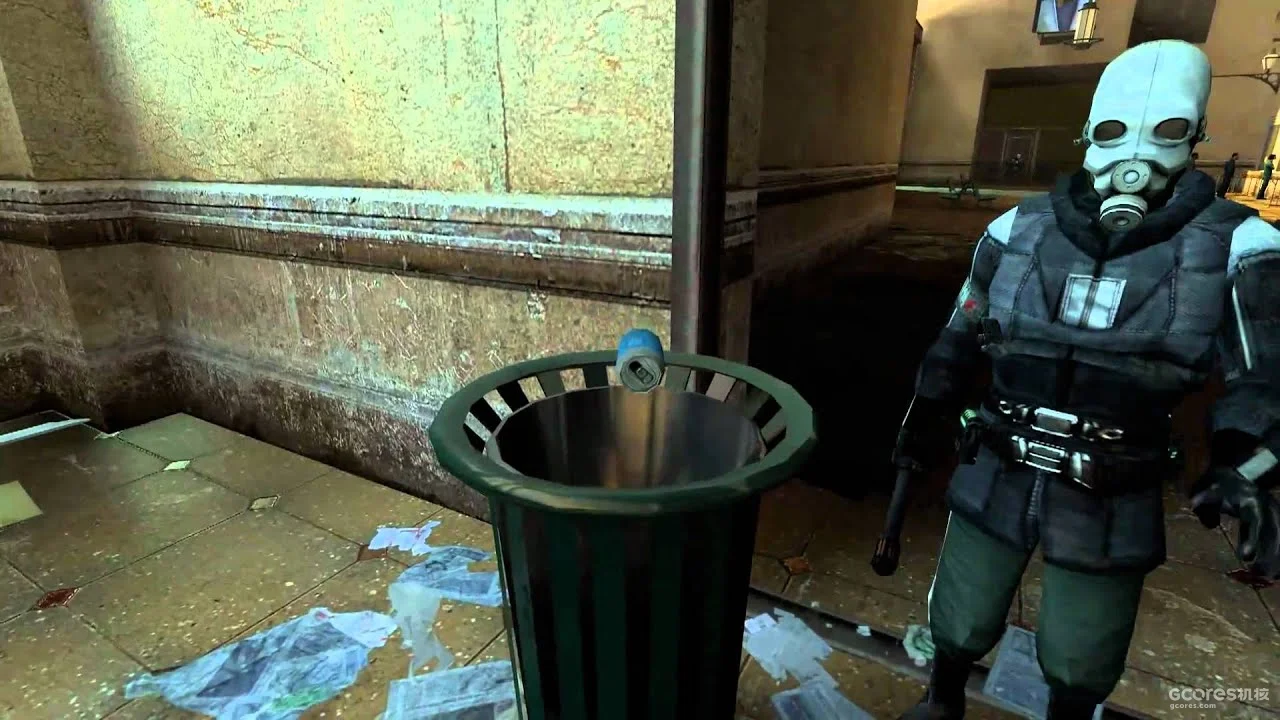
Many of you probably know the “Pick up that can” scene in Half-Life 2. Plenty of reviews discuss what its design contributes to the mission.
Let’s break down what this tiny sequence is trying to do:
- Introduce one of Half-Life 2‘s core mechanics: picking up objects.
- Establish the relationship between the player and the enemy—the Combine—that runs through the whole game.
- Tell the player that most objects in the environment can be interacted with.
- Break up the long stretch of staging that precedes it, so the player feels they actually have something to do.
It’s a textbook example of good quest narrative design. With minimal resources, and a mechanic the player can engage with directly, it conveys a great deal of information through a very simple action.
Do you know how the same design idea appears in Half-Life: Alyx?
Again, it’s right at the opening. This time, it isn’t even mandatory…
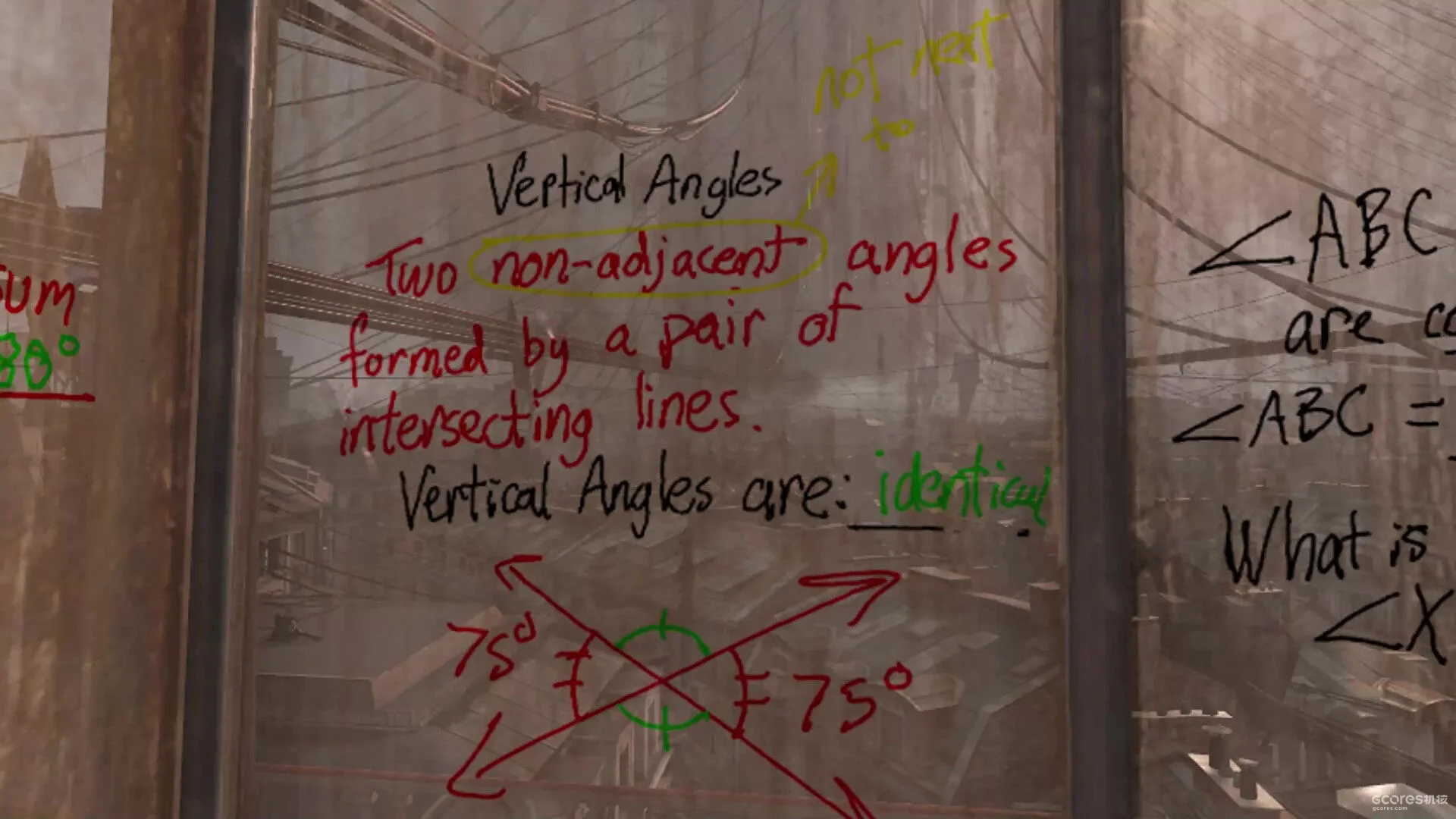
Yes: that famous window you can draw on at the start of Alyx.
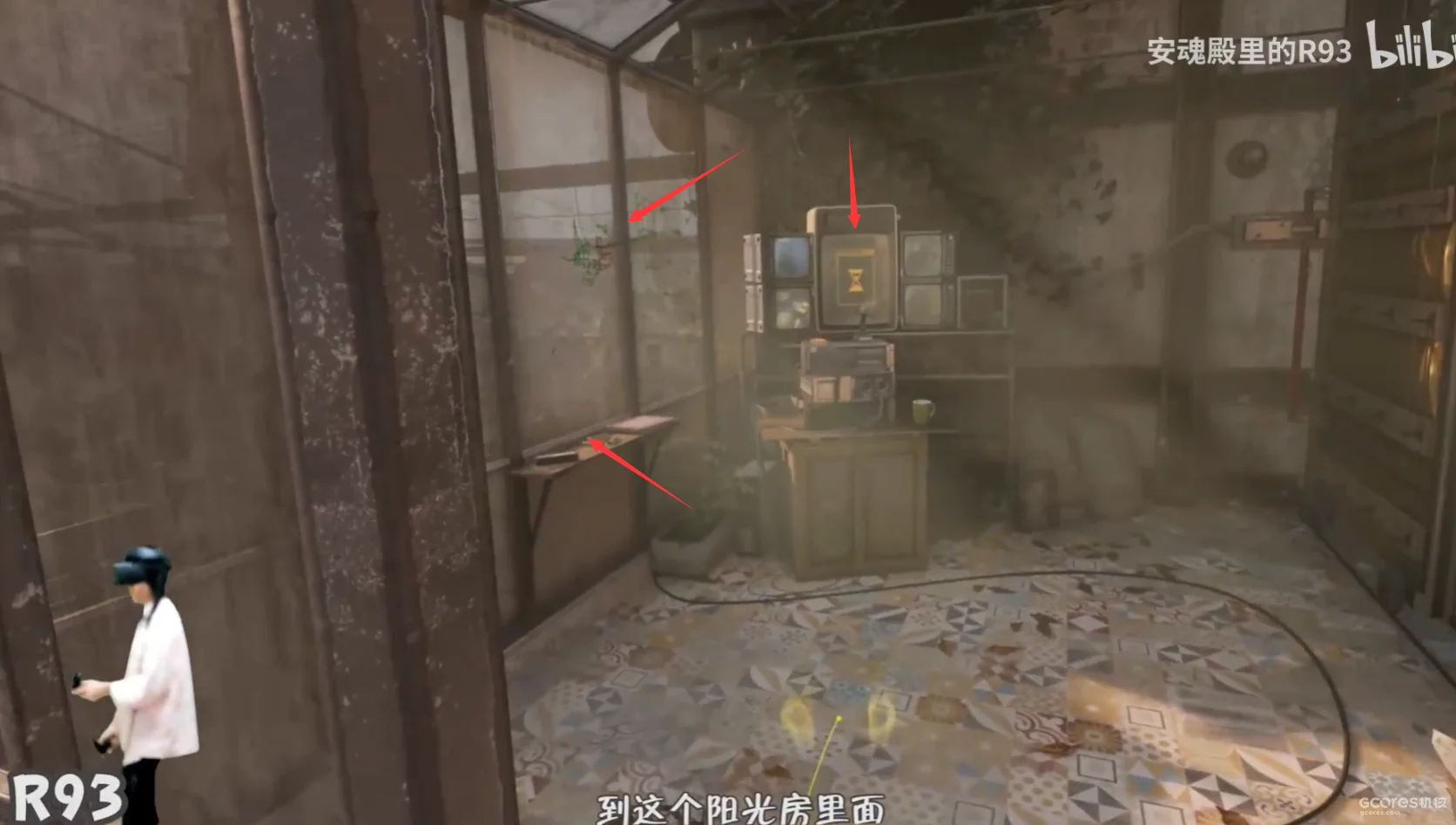
The window-drawing interaction sits right next to the equipment used to advance the mission. Apart from that equipment, the only thing in this little sunroom is the window where you can scribble and sketch.
Think about it. Whether you’re an experienced VR player or trying VR for the first time with Alyx, your main way of interacting with the game is through your VR hardware. Picking things up and using them is a mechanic almost any VR game would consider. And in Half-Life, picking things up is already a core mechanic.
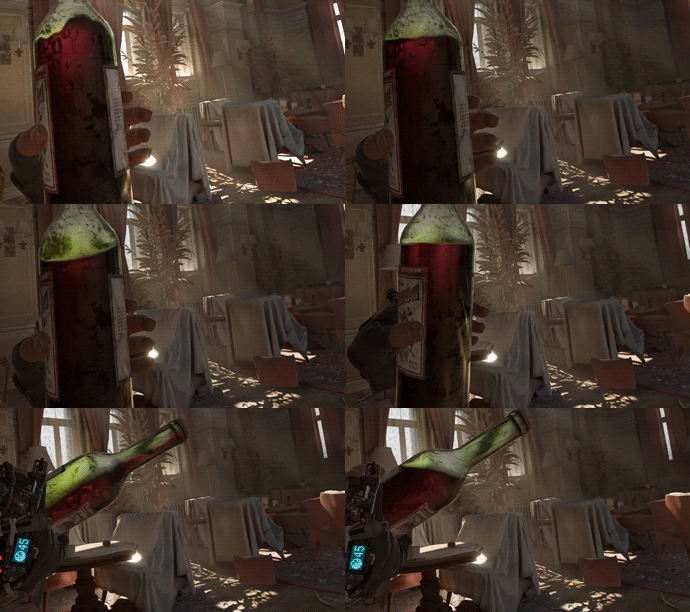
A few years earlier, players might have been using a gravity gun and keyboard buttons. A few years later, their hands can become part of the interaction itself. Alyx aims to bring those two things together as closely as possible; it’s central to the game’s design. So, for an introductory mission, what’s a neater way to teach “use your VR equipment to interact with objects in the world” than drawing on a window? Certainly neater than making you hammer away at a keyboard or throw things at someone.
Now think about the resources involved. Is this mechanic inherently expensive? Object interaction is already one of the game’s core systems. Letting the player draw what they like on a flat surface is essentially a matter of making the texture programmable and turning the interactable object into a pen. For a project like Alyx, that isn’t a huge resource demand.
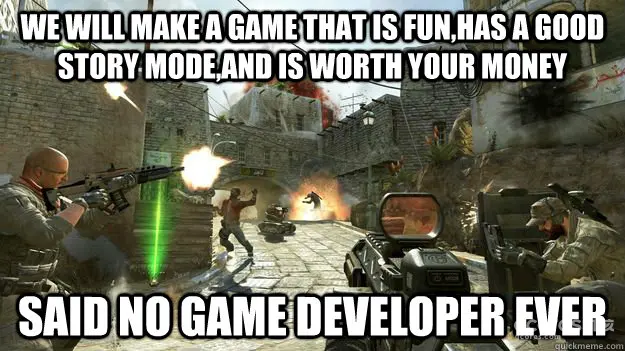
So the most basic requirement of quest narrative design—and the most important—is this: how can narrative design support the game’s mechanics? Players have no obligation to “watch the story.” But as players, they do need to interact with the game and receive feedback in response.
If you want to tell a story well in a game, your first goal should be to bring narrative and mechanics together.
Use the player’s abilities. Think about which abilities they have during this sequence, and bind the quest closely to them.
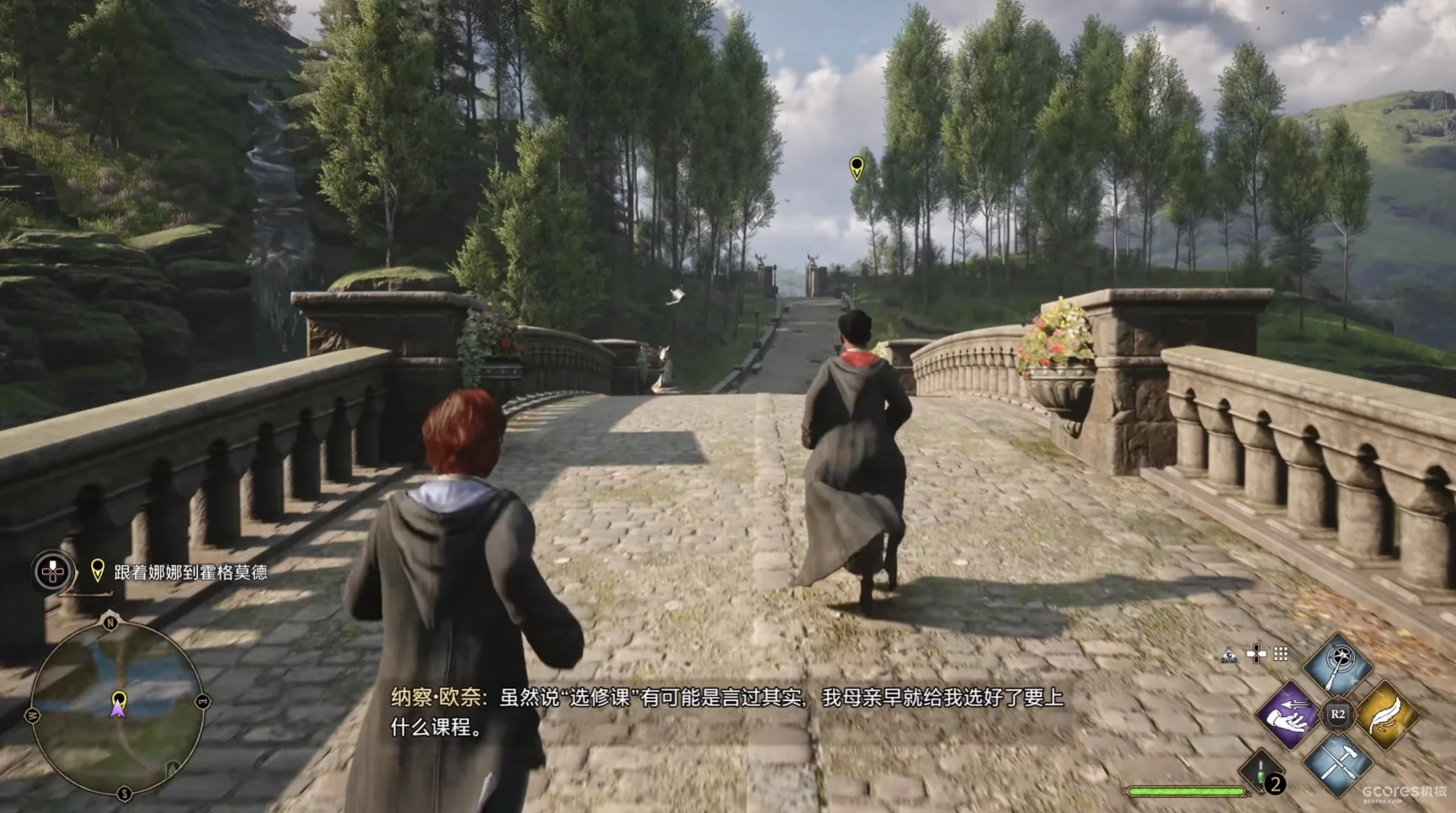
The on-screen objective is to follow Natty to Hogsmeade. In the dialogue, Natsai Onai says that “electives” may be an overstatement: her mother has already chosen her courses.
Drop the Faking Canned Soup
For quest designers, there’s something that haunts your project, your boss’s muttering, player comments, even the takeout you order every day.
Not even Hogwarts, way back in the eighteenth century, can escape it.1
It’s a terrible quest experience, generally built like this: go somewhere → do something → have something happen → fight → finish.
To describe this thing that follows you around like Spectre popping her ult, people gave it a name: that canned feeling.
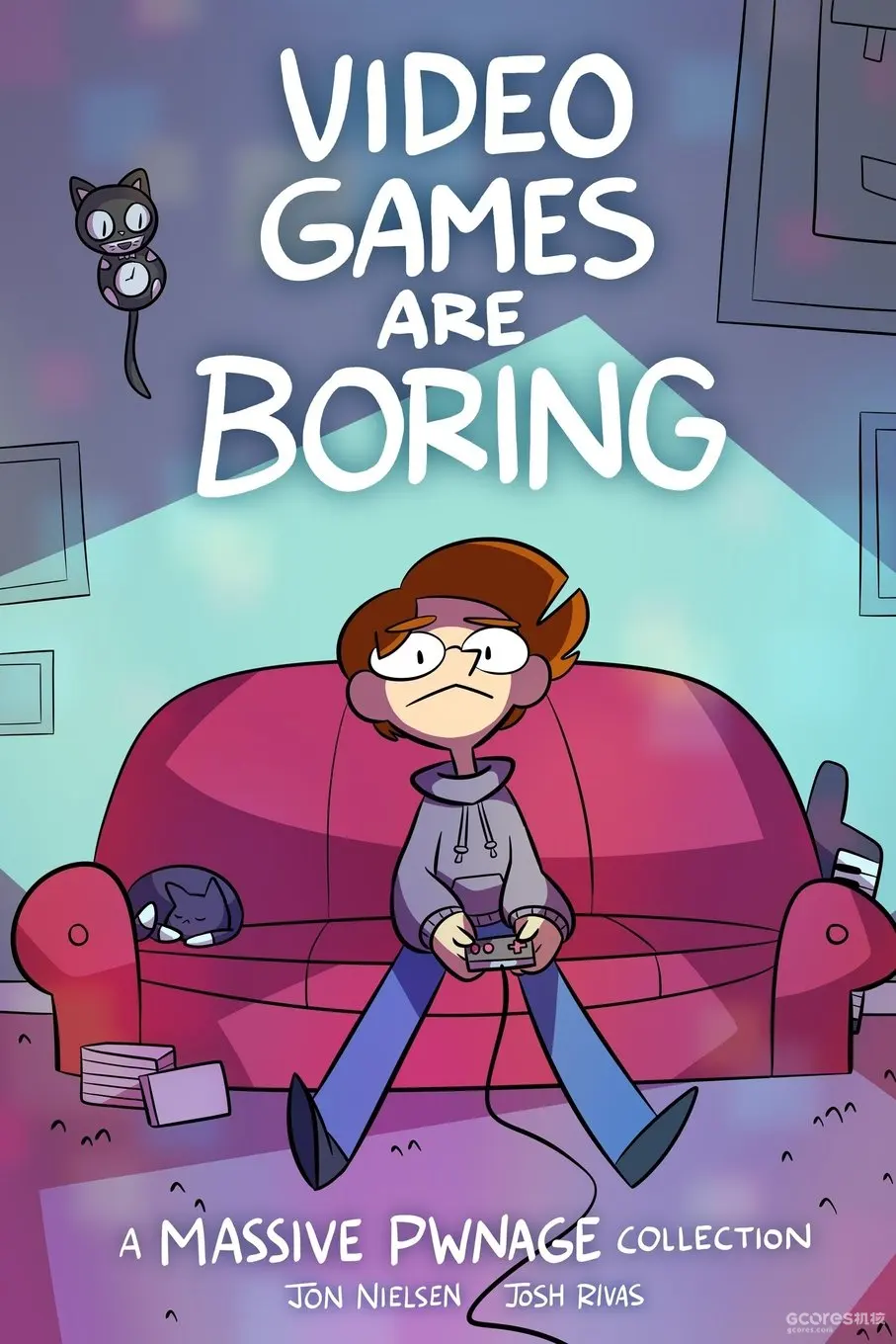
OK. That canned feeling is usually a problem running through a game’s whole design philosophy. But quests and levels are where all the game’s mechanics ultimately come together. If those feel canned, the game as a whole has no way of escaping it.
Make players do something too many times without explaining why—or without a convincing reason—and it’s likely to feel thoroughly canned. Yet some games have you shooting, driving, or smashing monsters’ brains in with your gravity boots and white stockings over and over, and it still feels great.
So why doesn’t all that repetition make those games boring?
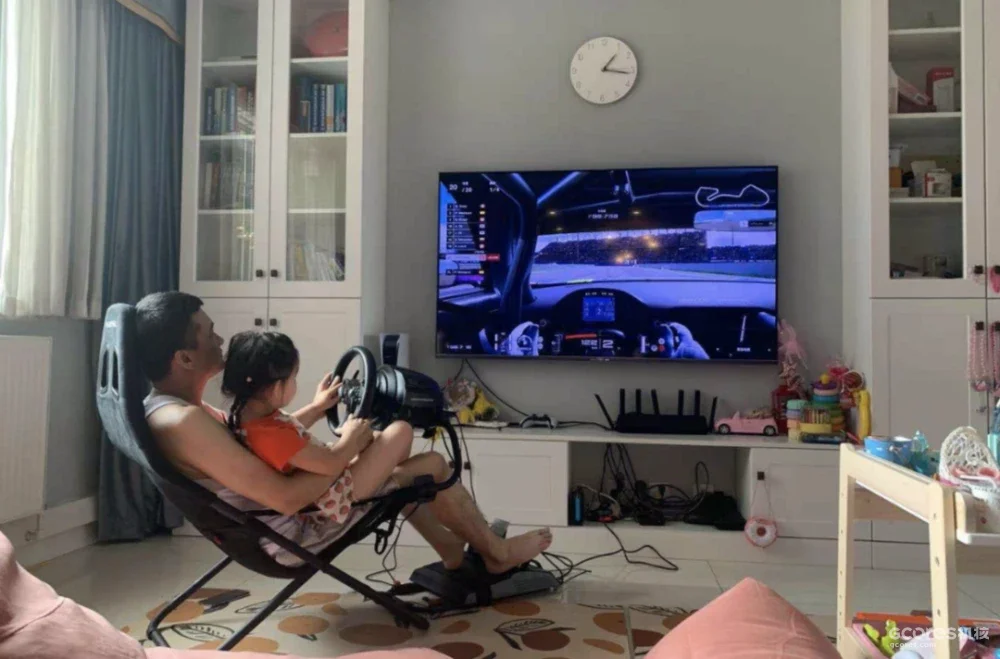
If you and your parents could talk reasonably well when you were a kid, they may have asked something like this while watching you play:
“How do you spend all day fighting, driving, shooting hoops, solving puzzles, pushing boxes in these games without getting sick of it?”
Set aside the bit where they’re telling you to study hard and make something of yourself. Let’s think about why it looks that way to them.
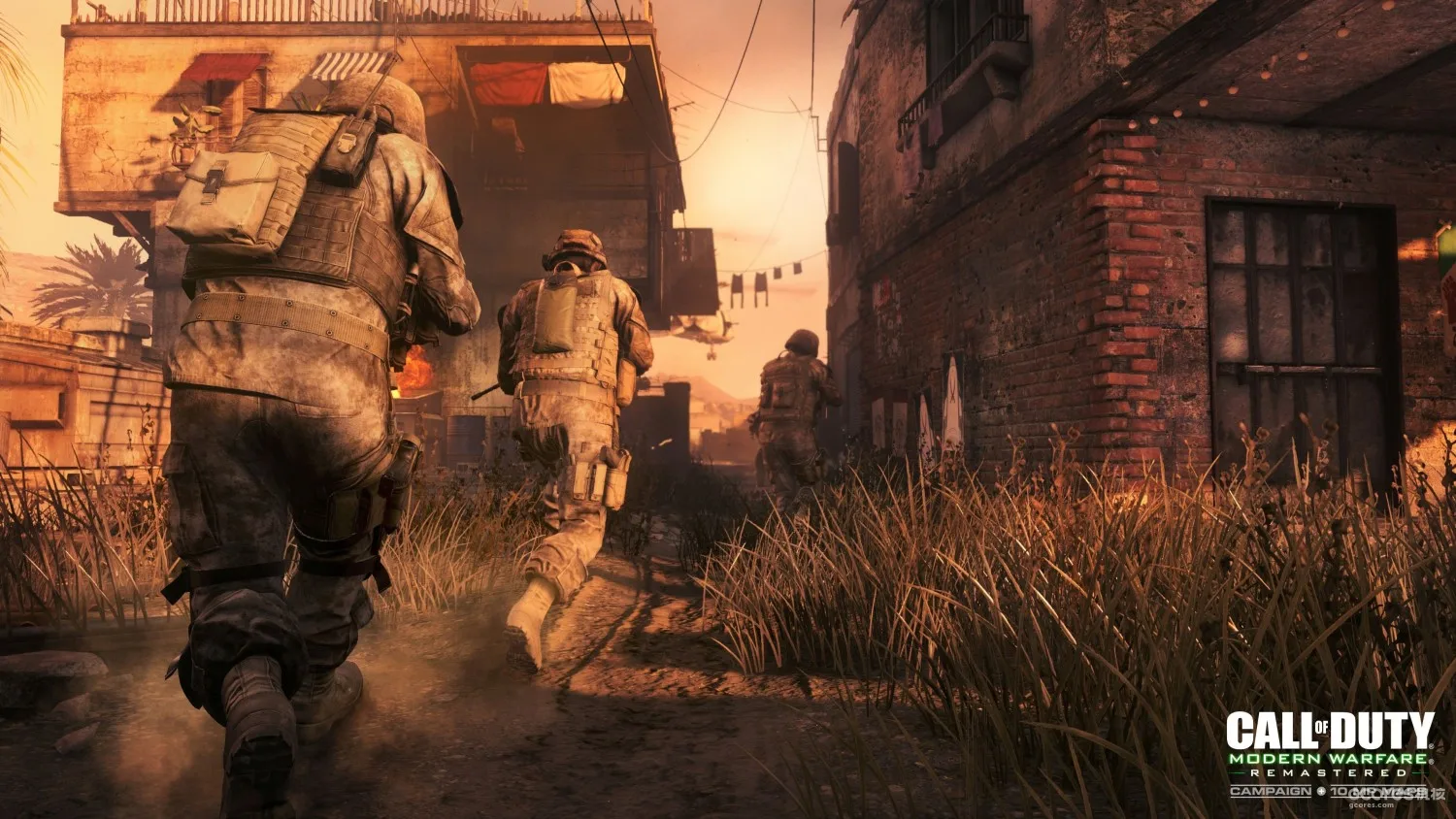
Suppose a parent has watched you play Call of Duty 4: Modern Warfare for an hour and asks, “How do you shoot these people all day without getting bored?” What they’ve picked up is probably this:
- It’s a game where you shoot guns.
- There are lots of different guns.
- Sometimes the shooting is interrupted by something spectacular, like an explosion or a vehicle sequence.
- You shoot things in various ways, either alone or with a group of other people.
But what you’ve experienced in Modern Warfare is:
- A very cool modern-war story about military operations by the SAS and USMC. (Damn, I nearly typed UNSC. My bad.)
- You and your squad seizing a TV station, assaulting a cargo ship, or taking a stroll through Chernobyl with Captain MacMillan and blowing some bald guy’s arm off along the way.
- All kinds of weapons and equipment you can use, against a wide variety of enemies.
Obviously, your parent sitting beside you has missed a lot: the story and its events, the sequence of a linear level, the actions you take to overcome a challenge, and the feedback you receive. Those things can only come through fully engaged play. They aren’t something a parent gets just by sitting beside you for an idle hour.
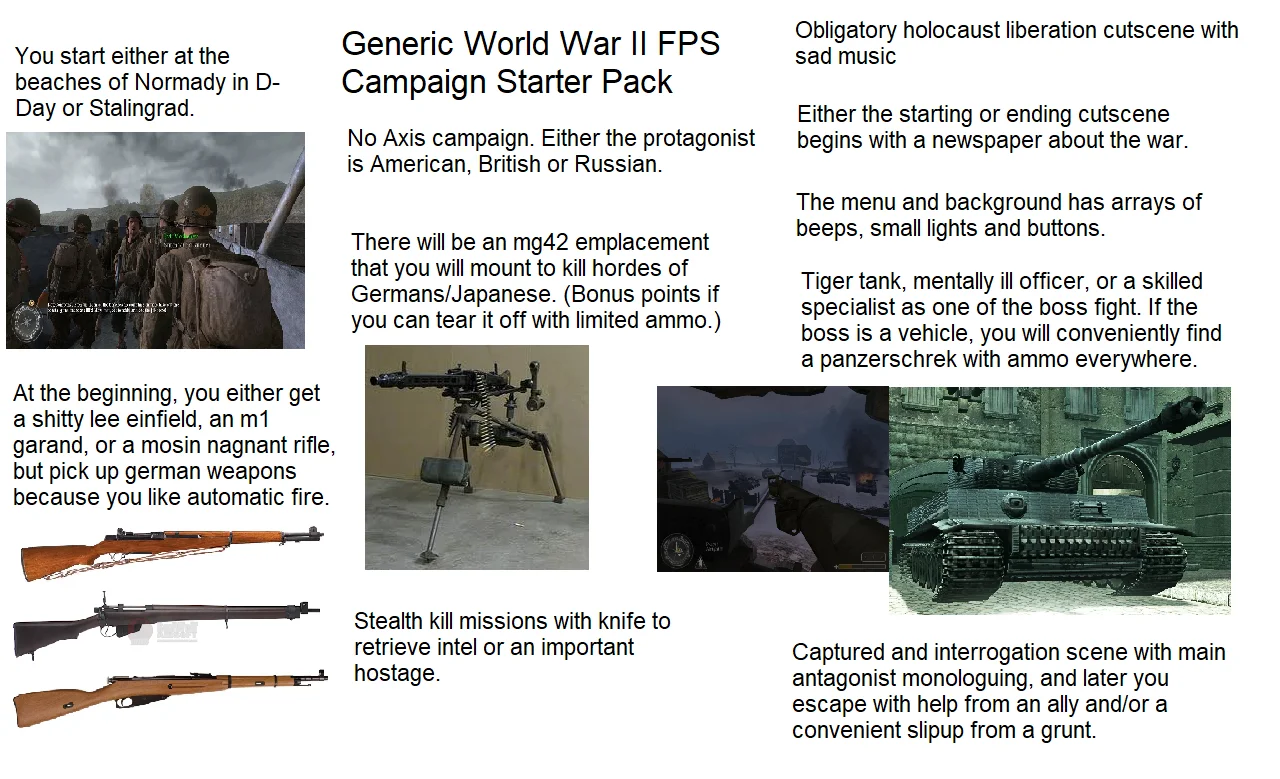
But if your quest sequence ultimately feels like the parent’s version of events, you’ll get the same response: this game is so monotonous. No story. No gameplay. No mechanics. No characters. No experience.
That’s where the canned feeling really comes from. You lack a sense of purpose while playing, or some bad design interferes with the experience and breaks your concentration. Suddenly, you notice that doing all this is actually exhausting.
Think back to the games you found formulaic. The problem wasn’t simply “repeat an action several hundred times.” It was “some bad design suddenly breaks your concentration; now you notice the action you’ve repeated several hundred times, and the game begins to feel tiring or monotonous.”
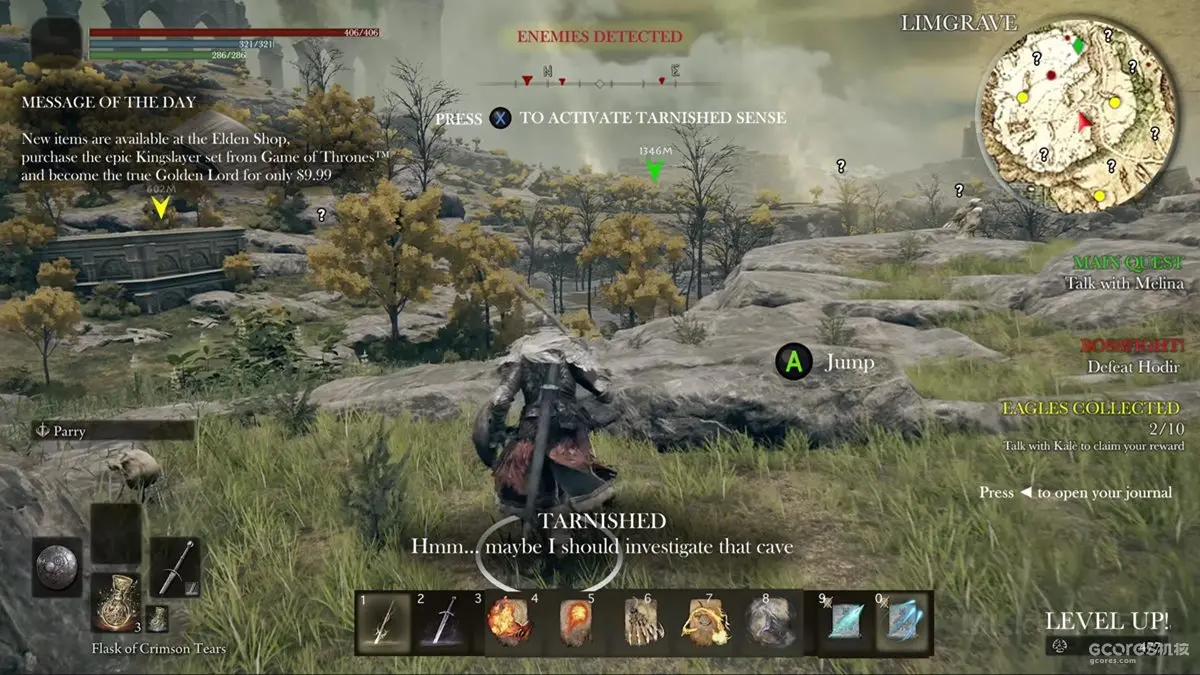
By contrast, games that feel good to play may have equally repetitive core mechanics, but they build all kinds of exploration, stories, and visual spectacle around them.
You may not remember exactly what Control‘s story was about, but you’ll remember the Ashtray Maze and pulling the light-switch cord to reach the Oceanview Motel. You may have forgotten how many shots you fired or people you killed in Modern Warfare 2‘s campaign, but you’ll remember that burning conviction: Shepherd must die. You may not remember everything you did to become the “great and famous V,” but you’ll remember dates with Judy and Panam, letting Johnny Silverhand take over your body to go on a date with Rogue, getting SAMURAI back together for a concert. Even apparently simple little stories like Skippy or Garry the Prophet.
You wouldn’t call those experiences especially canned. Instead, you’d recoil from the question marks carpeting the newer Assassin’s Creed games, or the rather monotonous exploration of Horizon Forbidden West‘s huge map.
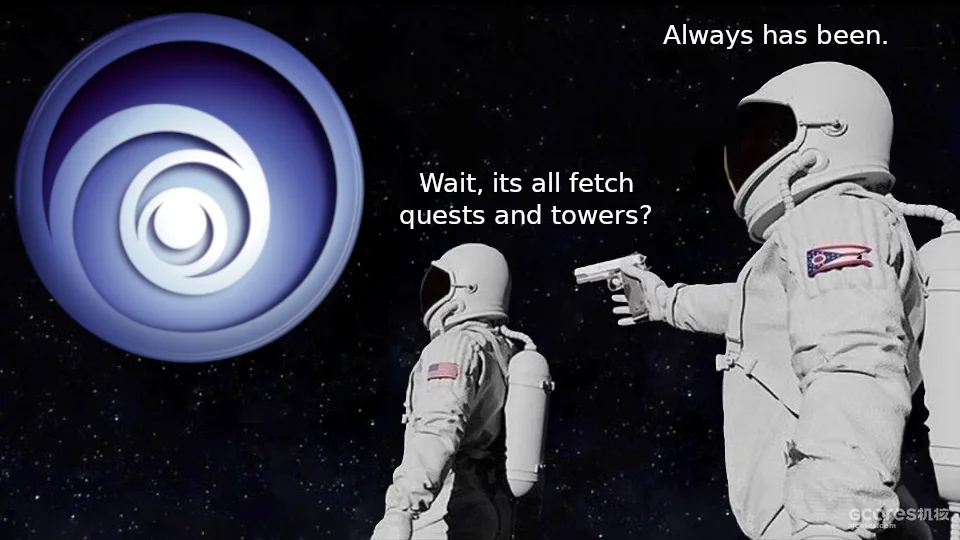
So the best way to avoid that canned feeling isn’t to invent heaps of new gameplay and mechanics. It’s to draw on all the mechanics you already have and present them in your quests with the pacing they need.
Don’t start with “I need elaborate visuals and high-fidelity cutscenes.” Ask whether letting the player interact with this little moment would make it more immersive—or whether it would interrupt their romance with their beloved waifus. Once you’ve established the quest’s purpose and considered which core mechanics fit, you have to turn back and examine your own design. Has your desire to provide enough variety filled the sequence with mechanics that have no narrative context, until they smash your quest’s storytelling to pieces?
When the Combine tell you to pick up a can, it goes in the trash. It doesn’t go on the menu.
Merging… complete…
OK. Having read Parts I and II carefully, you now understand two things that shape the game’s fundamental experience: quest design and quest narrative. Quests and levels share a great deal of methodology. You can treat a linear level’s sequence as quest design, and the story unfolding within it as quest narrative design. So they also share many methods and criteria: paper design, a proper quest layout, evaluating content beats, prototyping any new gameplay the quest needs, and only then opening the editor to implement and test it.
At this stage, I’d suggest making something level designers use all the time: a paper design.
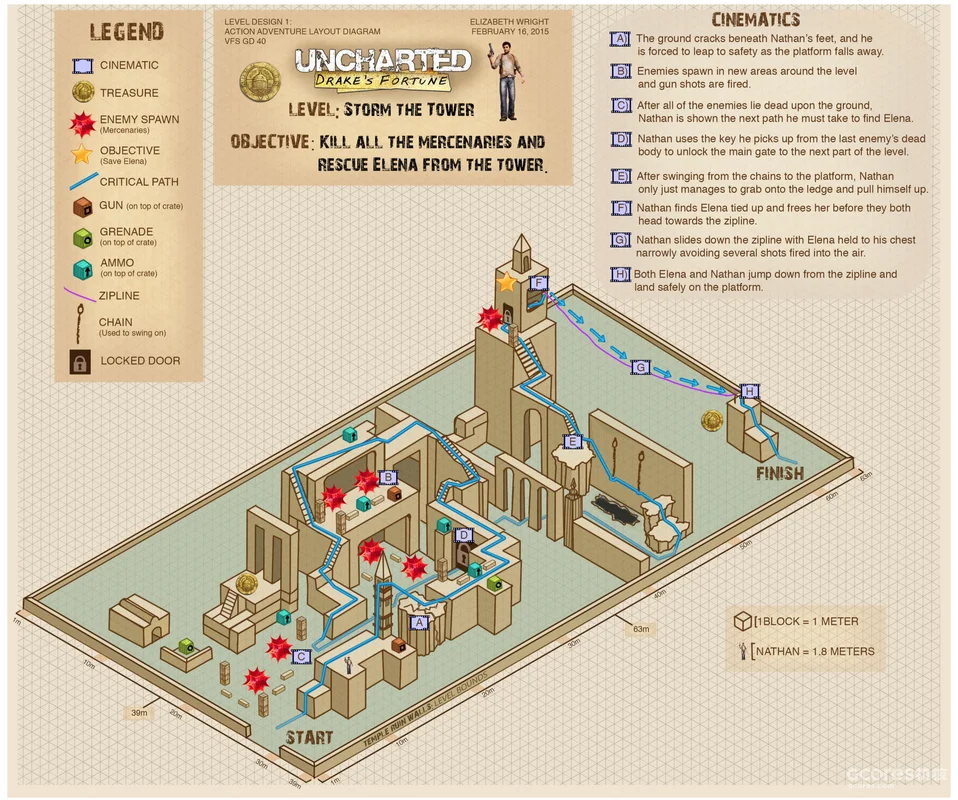
Elizabeth Wright’s “Storm the Tower” paper-design example, dated February 16, 2015. Its English legend marks the critical path, cinematics, enemies, objectives, treasure, equipment and traversal elements.
There are some differences between a level designer’s paper design and one made by a mission or narrative designer. First, you don’t need to list every level element on the map. Your emphasis should be the overall quest route: roughly where the player travels during the sequence.
Then mark every quest beat along that route, and decide what type it is. Combat, dialogue, a cutscene, a puzzle…
If you also have control over the map’s design, you can place visual references around important story beats to show the style you’d like the artists to achieve. Game environment art is ideal: it has already been realized in an engine by a level art team, so your artists can see quite directly what they’d need to build to achieve a similar result in your project.
Finally, as I said in Part I, assign those story beats RLD values—or whatever difficulty measure your team uses—and estimate how long the player will take. Later, when other people play through your quest, this makes it easier for them to judge whether their experience matches your intent.
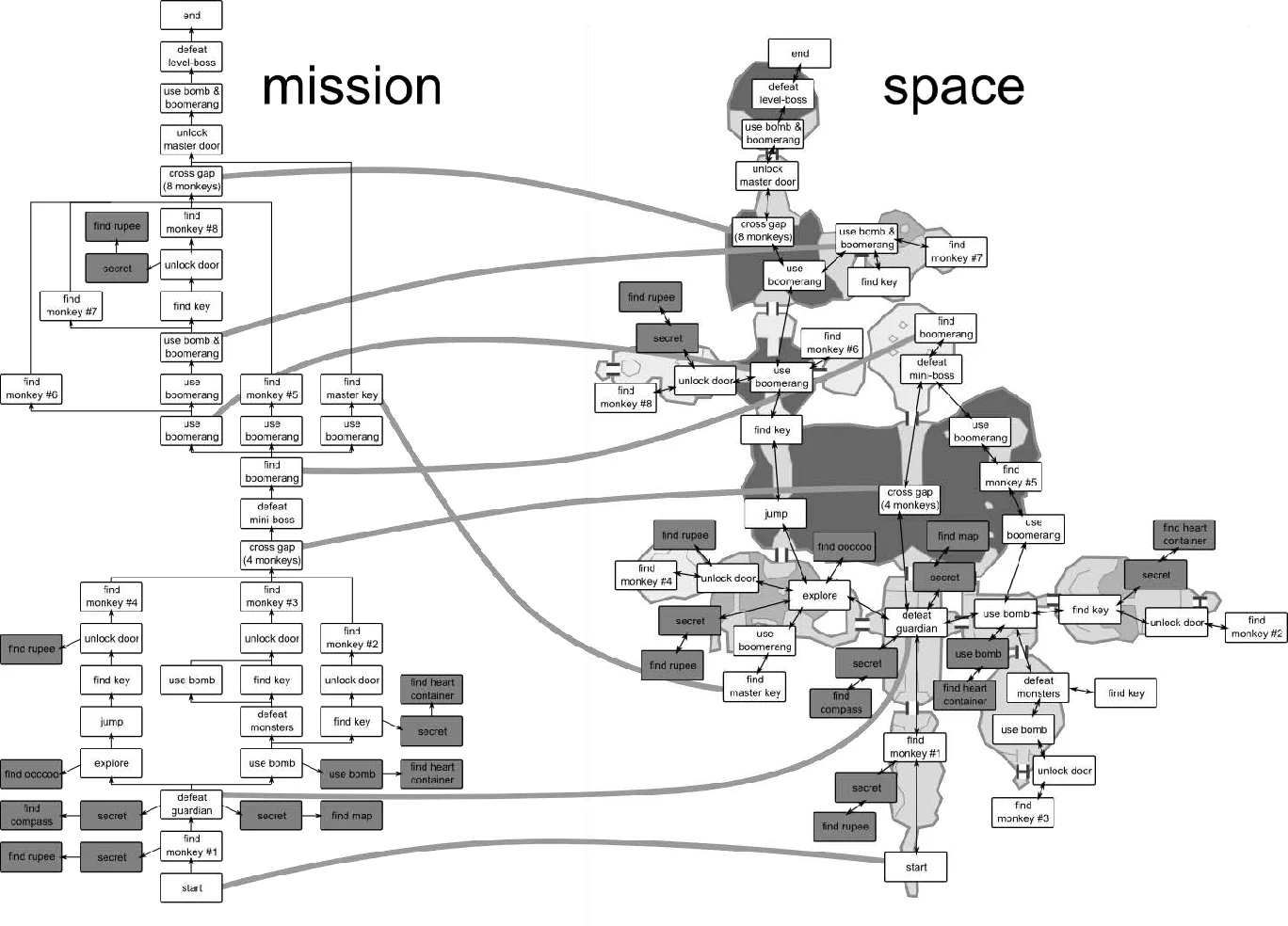
An English-language diagram showing how a mission’s sequence and dependencies map onto physical space. Matching points connect the abstract mission structure on the left with locations on the right.
When the paper design is done, your whole quest should be laid out clearly. Even if its narrative forms a network, the resulting paper design will show that network and the directions through it. Now take the diagram to other people on the project, or to your lead. Discuss whether the experience you’ve designed matches what they have in mind, then revise it based on their feedback.
Only after all of that can we properly open the editor and start implementing. That means configuring and testing the quest generally shouldn’t take up too much of your time.
Next time—assuming I don’t flake out—I’ll start talking about implementation tricks. There’ll be plenty of level design sleight of hand in there.
That’s all. Coo.
Oh, and if you have questions or corrections, come talk to me in the comments.
The Chinese original says “eighteenth century.” Hogwarts Legacy is set in the 1800s, the nineteenth century; see the official game site.↩